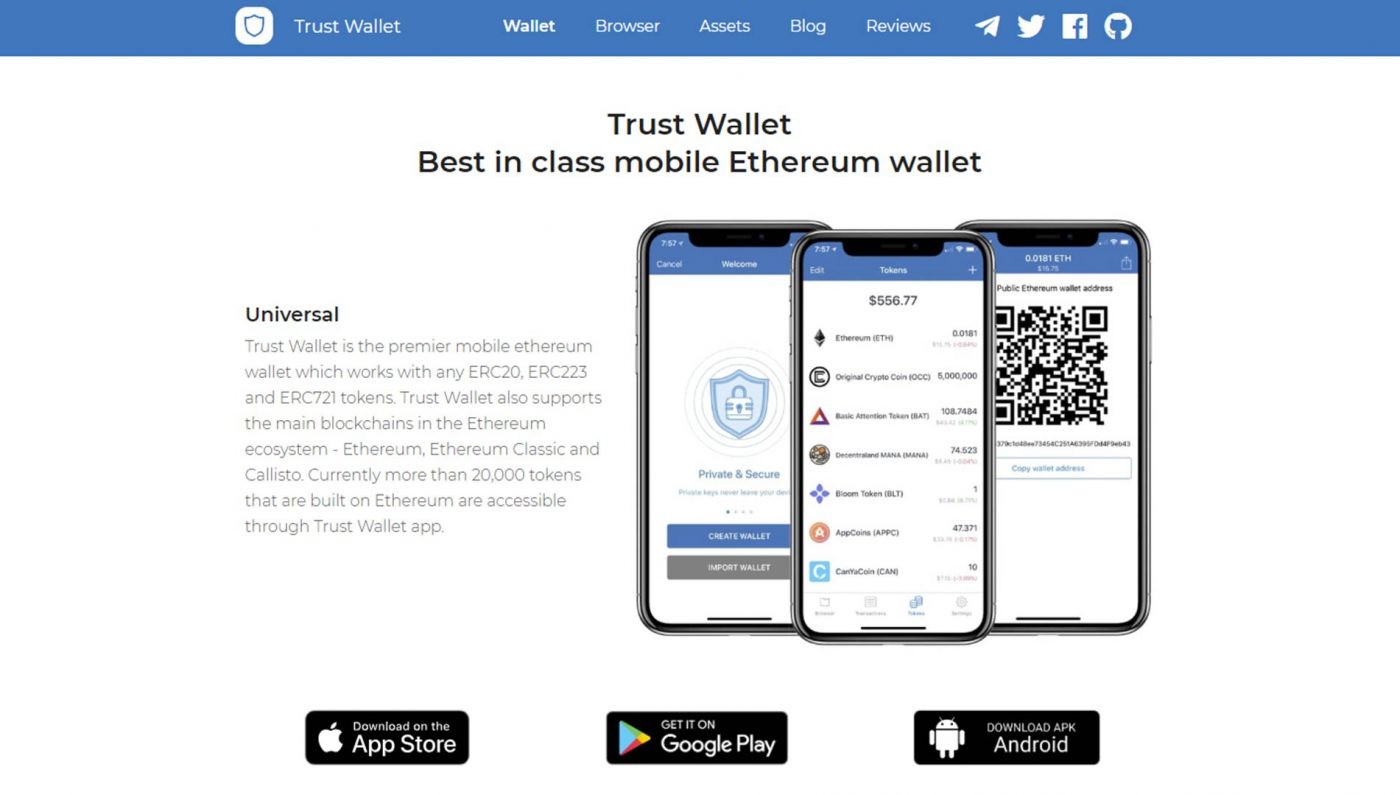
Trust Wallet: Securely Manage Your Cryptocurrency Portfolio
Trust Wallet is a secure, decentralized, non-custodial wallet that allows users to store, send, receive, and stake a wide range of cryptocurrencies and digital assets. With its mobile-first design and compatibility with Ethereum, Binance Smart Chain, Solana, and hundreds of other blockchains, Trust Wallet empowers users to maintain full control over their private keys while interacting seamlessly with decentralized finance (DeFi) applications and Web3 platforms.
This guide provides a step-by-step overview of Trust Wallet, including wallet setup, account management, sending and receiving crypto, staking, security best practices, connecting to DApps, backup procedures, and troubleshooting common issues. By following this guide, users can confidently manage digital assets with a focus on security and efficiency.
Why Trust Wallet Matters
Trust Wallet is more than just a crypto wallet—it is a gateway to the decentralized economy. Unlike custodial wallets, where private keys are held by a third party, Trust Wallet ensures that users retain full ownership of their assets.
Key Benefits of Trust Wallet
Non-custodial security: You control your private keys; funds are never held by the app or a third party.
Multi-chain support: Manage Bitcoin, Ethereum, Binance Smart Chain tokens, Solana, and hundreds of other cryptocurrencies in one wallet.
DeFi and DApp integration: Connect directly to decentralized applications and interact with smart contracts safely.
Staking and earning: Stake supported tokens to earn rewards directly in the wallet.
User-friendly interface: Simple navigation for beginners while offering advanced features for experienced users.
By providing secure access to a wide variety of blockchain networks, Trust Wallet gives users full control and flexibility over their digital assets.
Step 1: Download and Install Trust Wallet
Trust Wallet is a mobile-first wallet, available for both Android and iOS devices:
Visit the official website: https://trustwallet.com.
Download the official app from Google Play Store or Apple App Store.
Install the application and open it on your device.
Important: Only download Trust Wallet from official sources to avoid phishing apps and scams.
Step 2: Create a New Wallet
When opening Trust Wallet for the first time, you will need to create a new wallet:
Tap Create a New Wallet.
Agree to the Terms of Service.
Securely back up your recovery phrase (usually 12 words).
Confirm the recovery phrase in the correct order to complete setup.
Your recovery phrase is the only way to restore your wallet if your device is lost, stolen, or damaged. Never share it digitally or with anyone.
Step 3: Restore an Existing Wallet
If you already have a Trust Wallet or another compatible wallet:
Tap I Already Have a Wallet.
Enter your recovery phrase accurately.
Your existing wallet, along with all associated assets, will be restored.
Restoring a wallet allows you to regain access to funds without creating a new wallet.
Step 4: Understanding the Wallet Interface
The Trust Wallet interface is designed to be intuitive:
Assets tab: View all your cryptocurrency balances and portfolio overview.
DApps tab: Explore decentralized applications like exchanges, NFT marketplaces, and DeFi protocols.
Swap feature: Instantly swap between supported tokens within the wallet.
Settings: Manage security features, backup, and connected networks.
Familiarizing yourself with the interface ensures smooth navigation and efficient portfolio management.
Step 5: Securing Your Wallet
Security is critical when managing digital assets. Trust Wallet provides several features:
Backup recovery phrase: Store it offline in a safe location.
PIN code or biometric lock: Add a PIN or fingerprint/Face ID lock to secure the app.
Enable alerts: Stay informed of any app updates or security notifications.
Never share private keys or recovery phrases: These are the keys to your assets.
Proper security measures prevent unauthorized access and protect your crypto holdings.
Step 6: Adding Cryptocurrency Assets
Trust Wallet supports a wide range of cryptocurrencies and tokens:
Tap Add Tokens or Manage Assets.
Select the cryptocurrency you want to add to your wallet.
The wallet will display your balances and allow transactions.
Users can track and manage multiple cryptocurrencies from a single interface, including ERC-20, BEP-2, BEP-20, and Solana-based tokens.
Step 7: Sending Cryptocurrency
To send crypto from Trust Wallet:
Select the token you wish to send.
Tap Send.
Enter the recipient’s wallet address or scan a QR code.
Specify the amount to send.
Review transaction details carefully.
Confirm the transaction.
Always verify the recipient address directly to prevent errors or malicious redirects. Cryptocurrency transactions are irreversible.
Step 8: Receiving Cryptocurrency
To receive crypto:
Select the token you want to receive.
Tap Receive.
Copy the wallet address or share the QR code with the sender.
Wait for the transaction to confirm on the blockchain.
Confirm the address carefully to avoid sending funds to the wrong wallet.
Step 9: Staking Cryptocurrency
Trust Wallet allows users to stake supported cryptocurrencies and earn rewards:
Tap the Earn or Staking section.
Select the token you wish to stake.
Enter the amount and follow on-screen instructions.
Rewards are typically paid periodically and vary by token.
Staking allows users to generate passive income while maintaining full control of their assets.
Step 10: Connecting to Decentralized Applications (DApps)
Trust Wallet provides direct access to Web3 and DeFi applications:
Open the DApps Browser within the app.
Explore decentralized exchanges, NFT marketplaces, lending platforms, and other Web3 services.
Approve transactions on your wallet to interact with DApps safely.
Never enter your recovery phrase on a DApp or third-party site. Trust Wallet ensures all interactions with smart contracts remain secure.
Step 11: Swapping Tokens
Trust Wallet supports token swaps without leaving the app:
Tap Swap in the wallet.
Choose the token you want to swap and the token you want to receive.
Enter the amount and review estimated fees.
Confirm the swap.
Swaps are executed directly on-chain through decentralized exchanges, keeping transactions secure and fast.
Step 12: Managing Multiple Wallets
Trust Wallet allows the creation and management of multiple wallets within the app:
Tap Wallets → Add Wallet.
Create or import a new wallet with a recovery phrase.
Switch between wallets for different portfolios or purposes.
This feature is useful for organizing assets, testing new tokens, or separating investments.
Step 13: Security Best Practices
Even with a secure wallet, user habits matter:
Enable PIN or biometric security.
Backup recovery phrases securely offline.
Verify wallet addresses before sending funds.
Keep the app updated to the latest version.
Avoid phishing attempts and third-party apps asking for private keys.
These practices reduce the risk of hacks, phishing, and accidental loss.
Step 14: Backup and Recovery
Your recovery phrase is the ultimate backup:
Store it securely offline in multiple locations.
Use it to restore your wallet on a new device.
Never store it digitally or online.
Proper backup ensures continued access to funds in case of device loss or failure.
Step 15: Using Trust Wallet on Multiple Devices
While Trust Wallet is mobile-first, users can restore the same wallet on multiple devices using the recovery phrase:
Install Trust Wallet on the new device.
Select I Already Have a Wallet.
Enter the recovery phrase.
This process restores all assets and settings, allowing seamless cross-device access.
Step 16: Troubleshooting Common Issues
Common Trust Wallet issues and solutions:
Unable to send/receive funds: Check network fees and blockchain status.
App crashes or freezes: Update the app or reinstall from official sources.
Lost recovery phrase: Access to funds is permanently lost without it.
Incorrect token balances: Refresh wallet or check blockchain explorer.
Following official guidance ensures safe and secure troubleshooting.
Step 17: Avoiding Scams and Phishing
Crypto users are often targeted by scams. To stay safe:
Only download Trust Wallet from official sources.
Never share your recovery phrase or private keys.
Verify URLs and links before connecting to DApps.
Ignore unsolicited messages claiming urgent action.
Vigilance is key to maintaining asset security.
Step 18: Conclusion
Trust Wallet provides a secure, flexible, and user-friendly way to manage digital assets while keeping full control over private keys. By following this guide, users can:
Create and restore wallets safely.
Send, receive, and swap cryptocurrencies efficiently.
Stake tokens and earn rewards.
Interact safely with DeFi and Web3 applications.
Implement security best practices and maintain proper backups.
Trust Wallet empowers users to manage their cryptocurrency portfolio confidently, combining mobile convenience with robust security features, and enabling full participation in the decentralized economy.