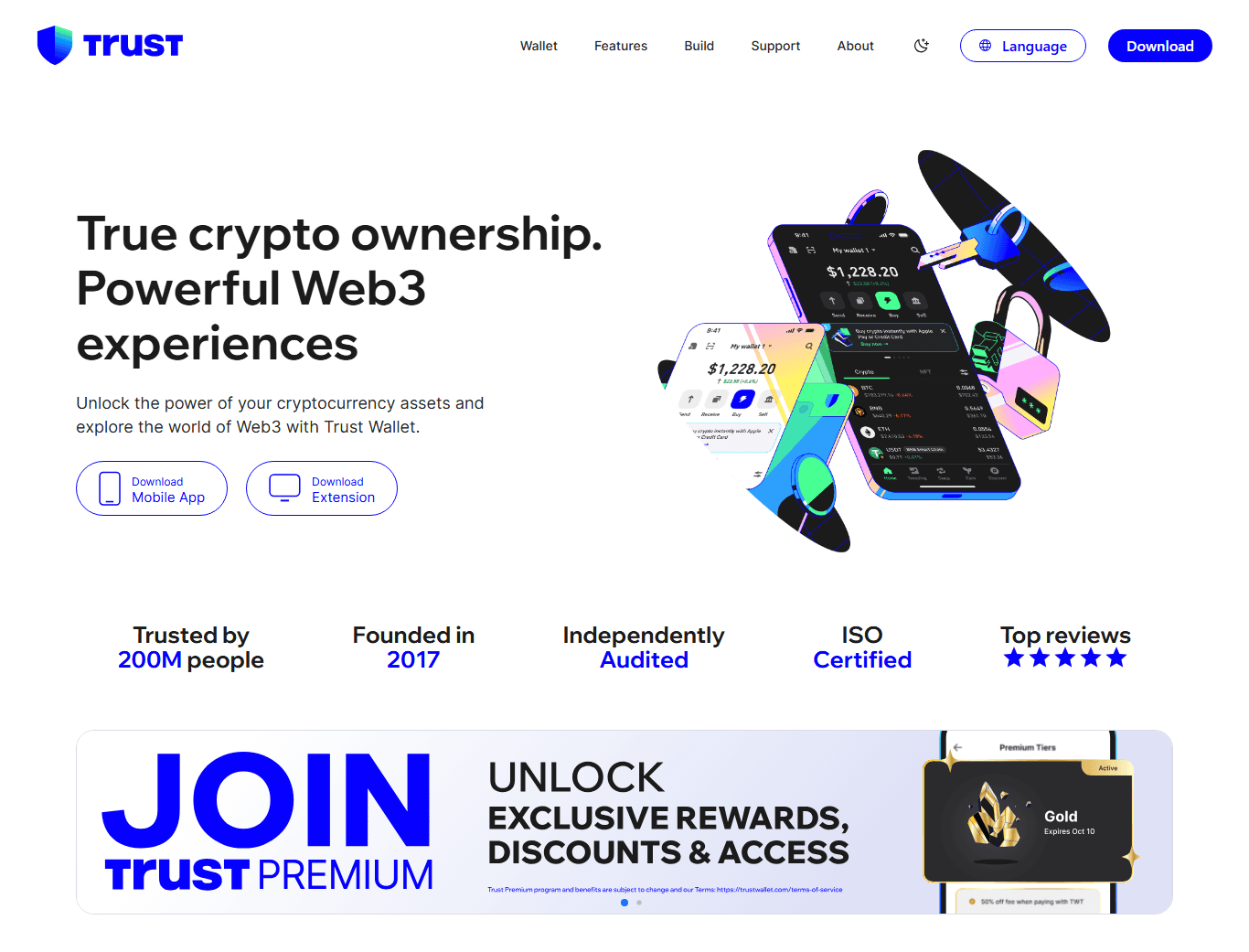
Trust Wallet: The Ultimate Guide to Secure Cryptocurrency Management
Cryptocurrency has revolutionized the way people store and manage money, but holding digital assets securely requires a reliable wallet. Trust Wallet is one of the most popular mobile cryptocurrency wallets that allows users to manage multiple coins, interact with decentralized applications (DApps), and participate in blockchain ecosystems safely. Understanding Trust Wallet in-depth ensures that users can maximize security, usability, and efficiency when managing digital assets.
This comprehensive guide explores Trust Wallet setup, usage, login, features, security practices, and troubleshooting, providing a complete resource for both beginners and experienced cryptocurrency users.
What is Trust Wallet?
Trust Wallet is a mobile cryptocurrency wallet that enables users to store, send, receive, and manage multiple cryptocurrencies on iOS and Android devices. Its key features include:
Support for thousands of cryptocurrencies and tokens
Built-in Web3 browser for interacting with decentralized applications (DApps)
Staking options for certain cryptocurrencies
Decentralized and non-custodial design, meaning users control private keys
Integration with Binance Smart Chain and other blockchain networks
Trust Wallet is designed to provide users with full control over their digital assets without relying on centralized exchanges or custodial services.
Importance of Trust Wallet
Trust Wallet plays a crucial role in cryptocurrency management for several reasons:
Private Key Ownership: Users control their private keys, ensuring complete ownership of their funds.
Multi-Currency Support: One wallet can hold Bitcoin, Ethereum, Binance Coin, and thousands of other tokens.
DeFi Integration: Built-in support for decentralized finance protocols allows staking, lending, and yield farming.
Security: Offers encrypted storage, biometric access, and secure backups.
User-Friendly Interface: Designed for both beginners and advanced users, providing intuitive navigation and transaction tracking.
By using Trust Wallet, cryptocurrency owners can secure their funds while taking advantage of blockchain-based financial opportunities.
Setting Up Trust Wallet
Proper setup is essential to ensure security and usability. The process involves several key steps:
Step 1: Download the App
Trust Wallet is available on iOS and Android app stores.
Always download the official app to avoid counterfeit applications.
Step 2: Create a New Wallet
Open the app and select Create a New Wallet.
Agree to the terms of service.
Set up a secure PIN or enable biometric authentication for device security.
Step 3: Backup Recovery Phrase
Trust Wallet generates a 12-word recovery phrase.
Write it down and store it securely offline; do not save it digitally.
The recovery phrase is the only way to restore your wallet if your device is lost or damaged.
Step 4: Confirm Recovery Phrase
The app will ask you to confirm your recovery phrase in the correct order.
Successfully confirming ensures you have properly backed up your wallet.
Step 5: Explore Wallet Interface
After setup, users can access wallet balances, transaction history, and staking options.
Explore the DApp browser for interacting with decentralized applications safely.
How to Use Trust Wallet
Trust Wallet offers a range of functionalities for managing digital assets effectively.
Receiving Cryptocurrency
Open the wallet and select the cryptocurrency to receive.
Click Receive to generate a wallet address or QR code.
Verify the address carefully before sharing it with the sender.
Sending Cryptocurrency
Select the cryptocurrency you want to send.
Enter the recipient’s address and the amount.
Review transaction fees and confirm the transaction.
Authenticate using your PIN or biometric verification.
Staking Cryptocurrencies
Certain coins like Tezos, Tron, and Cosmos can be staked directly from Trust Wallet.
Staking allows users to earn rewards while participating in blockchain validation.
Monitor rewards in real-time from the wallet dashboard.
Using the DApp Browser
Trust Wallet includes a built-in Web3 browser for decentralized applications.
Access NFT marketplaces, DeFi protocols, and decentralized exchanges (DEXs) securely.
Always verify the website and contracts before approving transactions.
Security Features of Trust Wallet
Trust Wallet is designed with multiple security layers to protect users’ assets:
Non-Custodial Wallet: Private keys remain on the user’s device, never stored on centralized servers.
Recovery Phrase: A 12-word phrase allows wallet restoration in case of device loss.
Biometric Authentication: Fingerprint or facial recognition adds extra security.
PIN Protection: Ensures unauthorized users cannot access the wallet.
Transaction Confirmation: Users must approve all outgoing transactions manually.
By following recommended security practices, users can prevent unauthorized access and protect their cryptocurrency holdings.
Best Practices for Using Trust Wallet
Secure Recovery Phrase: Store your 12-word phrase offline in a secure location.
Enable Biometric Security: Adds a layer of protection beyond passwords or PINs.
Verify Addresses and DApps: Double-check addresses and smart contracts before executing transactions.
Keep Software Updated: Regularly update the app to benefit from security patches.
Avoid Public Wi-Fi: Public networks increase the risk of interception.
Use Hardware Wallet Integration: Trust Wallet can integrate with hardware wallets like Ledger for added security.
Following these best practices maximizes security while maintaining ease of use.
Troubleshooting Common Issues
Lost Recovery Phrase
Without a recovery phrase, it is impossible to restore wallet access.
Ensure the recovery phrase is stored securely and never shared online.
App Crashes or Bugs
Update Trust Wallet to the latest version.
Clear app cache or reinstall if necessary.
Failed Transactions
Check network congestion and adjust gas fees for Ethereum or Binance Smart Chain transactions.
Ensure the recipient address is correct.
DApp Connection Problems
Make sure the DApp supports mobile wallet connections.
Confirm permissions in Trust Wallet when prompted.
Trust Wallet vs Other Wallets
FeatureTrust WalletMetaMaskCoinbase WalletExodus WalletCustodialNon-custodialNon-custodialNon-custodialNon-custodialMulti-Currency SupportYes, thousands of tokensMostly Ethereum-basedEthereum and Binance Smart ChainMultiple blockchainsDeFi & DApp SupportBuilt-in browserBuilt-in browserBuilt-in browserLimitedStakingSupportedLimitedLimitedLimitedSecurityPrivate keys on devicePrivate keys on devicePrivate keys on devicePrivate keys on device
Trust Wallet stands out for its mobile-first design, multi-currency support, and integrated DApp browser.
Advanced Features of Trust Wallet
NFT Management
Users can store, view, and interact with NFTs directly in the wallet.
Compatible with multiple NFT standards on Ethereum and Binance Smart Chain.
Token Swaps
Trust Wallet includes a built-in swap feature for exchanging one token for another.
Swaps occur without leaving the wallet, providing convenience and efficiency.
Multi-Network Support
Compatible with Ethereum, Binance Smart Chain, TRON, and other networks.
Users can manage multiple blockchain assets in a single interface.
Hardware Wallet Integration
Trust Wallet can be linked to Ledger hardware wallets.
Allows offline key storage while using the app interface for transactions and monitoring.
Advantages of Trust Wallet
Full control over private keys
Multi-currency and multi-network support
Access to staking, DeFi, and NFTs
User-friendly mobile interface
Secure transaction confirmation and authentication
Limitations
Mobile-only access (desktop management limited)
Responsibility for private key management lies entirely with the user
Dependent on blockchain network speed for transactions
No built-in customer support for fund recovery in case of lost keys
Despite these limitations, Trust Wallet remains a top choice for mobile cryptocurrency management due to its security, versatility, and integration with decentralized services.
Conclusion
Trust Wallet is a powerful and secure mobile cryptocurrency wallet that gives users complete control over their digital assets. With support for thousands of tokens, a built-in DApp browser, staking options, and hardware wallet integration, it provides a complete solution for managing cryptocurrency portfolios.
Security is central to Trust Wallet, with non-custodial key management, PIN and biometric authentication, and recovery phrases providing robust protection. Users are encouraged to follow best practices such as securing recovery phrases, verifying addresses, keeping the app updated, and using biometric security.
Trust Wallet is suitable for both beginners and experienced cryptocurrency users who want a mobile-first solution for sending, receiving, storing, and interacting with digital assets. It provides the convenience of mobile access while maintaining a strong focus on security, making it one of the most trusted wallets in the cryptocurrency space.
By understanding setup, usage, security, and best practices, users can confidently manage their cryptocurrencies with Trust Wallet while participating in staking, DeFi, NFT activities, and token swaps. Trust Wallet is not just a storage tool—it is a comprehensive gateway to the decentralized financial ecosystem.